

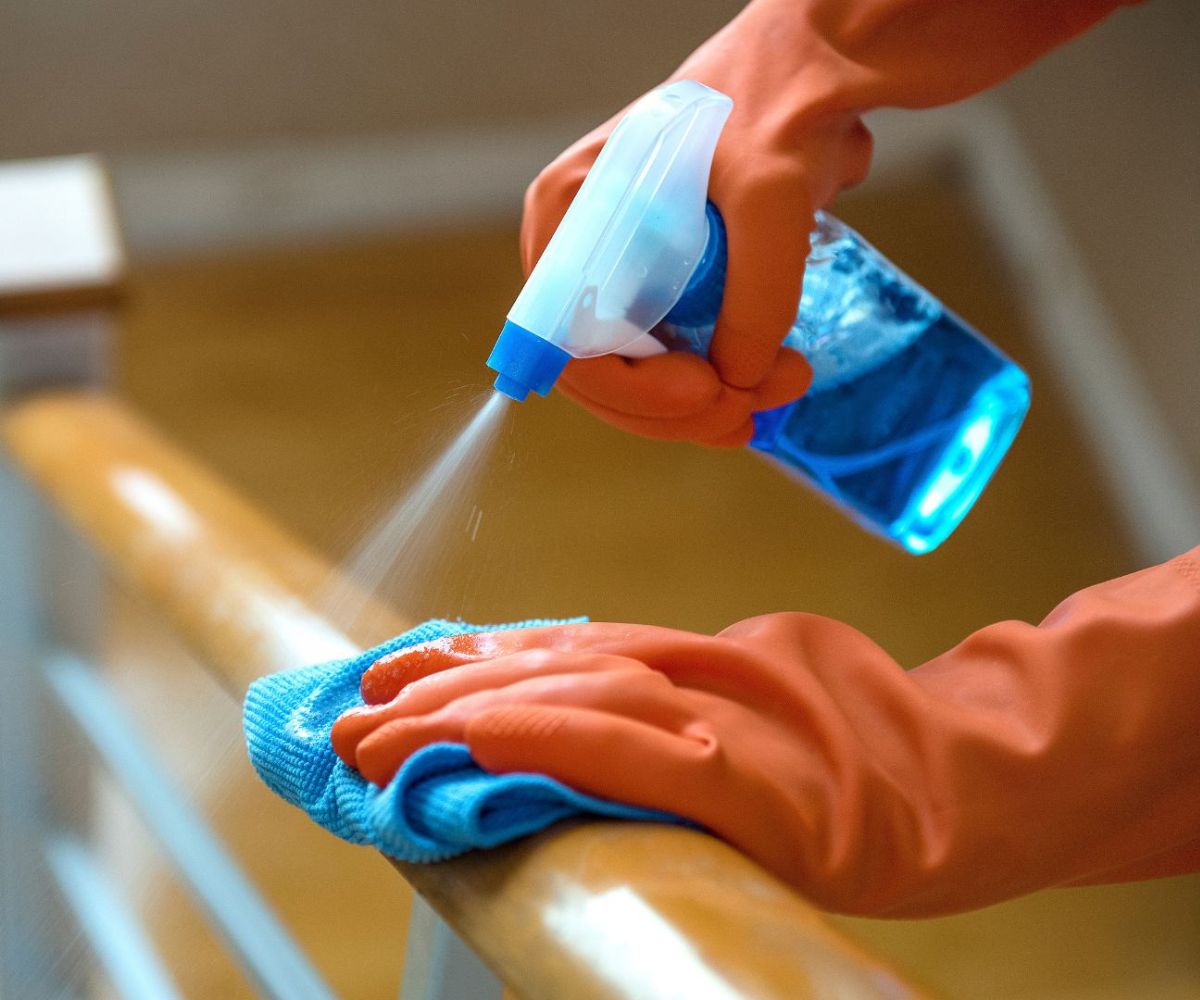
In today’s world, ensuring that your home or workplace is safe and free from harmful microorganisms is a top priority. When it comes to maintaining a hygienic environment, disinfection and sterilization are two crucial methods, each serving a different purpose. However, many people are often confused about the differences between these services and which one is most appropriate for their needs. Understanding the distinct processes and objectives of disinfection and sterilization can help you make an informed decision to protect your health and that of those around you.
“Cleanliness and hygiene are the foundation of health, and understanding the difference between disinfection and sterilization is key.”
Understanding the Difference Between Disinfection and Sterilization!
Disinfection and sterilization are often used interchangeably, but they refer to two very different methods of cleaning. Disinfection involves the use of chemicals to eliminate most harmful pathogens from surfaces, while sterilization is a more rigorous process that aims to completely eradicate all forms of microbial life, including bacteria, viruses, fungi, and spores. Knowing the distinction between these two methods is essential, especially when dealing with sensitive areas such as medical facilities, schools, kitchens, or even your home after an illness outbreak.
5 Key Differences Between Disinfection and Sterilization:
- Purpose and Scope of Cleaning
- Effectiveness Against Pathogens
- Chemical Agents vs. Advanced Methods
- Appropriate Settings and Situations
- Time and Frequency Required
Understanding these key differences will enable you to choose the right service that aligns with your specific needs, ensuring a cleaner, safer environment for you, your family, or your employees.